Effects, Lighting Fixtures
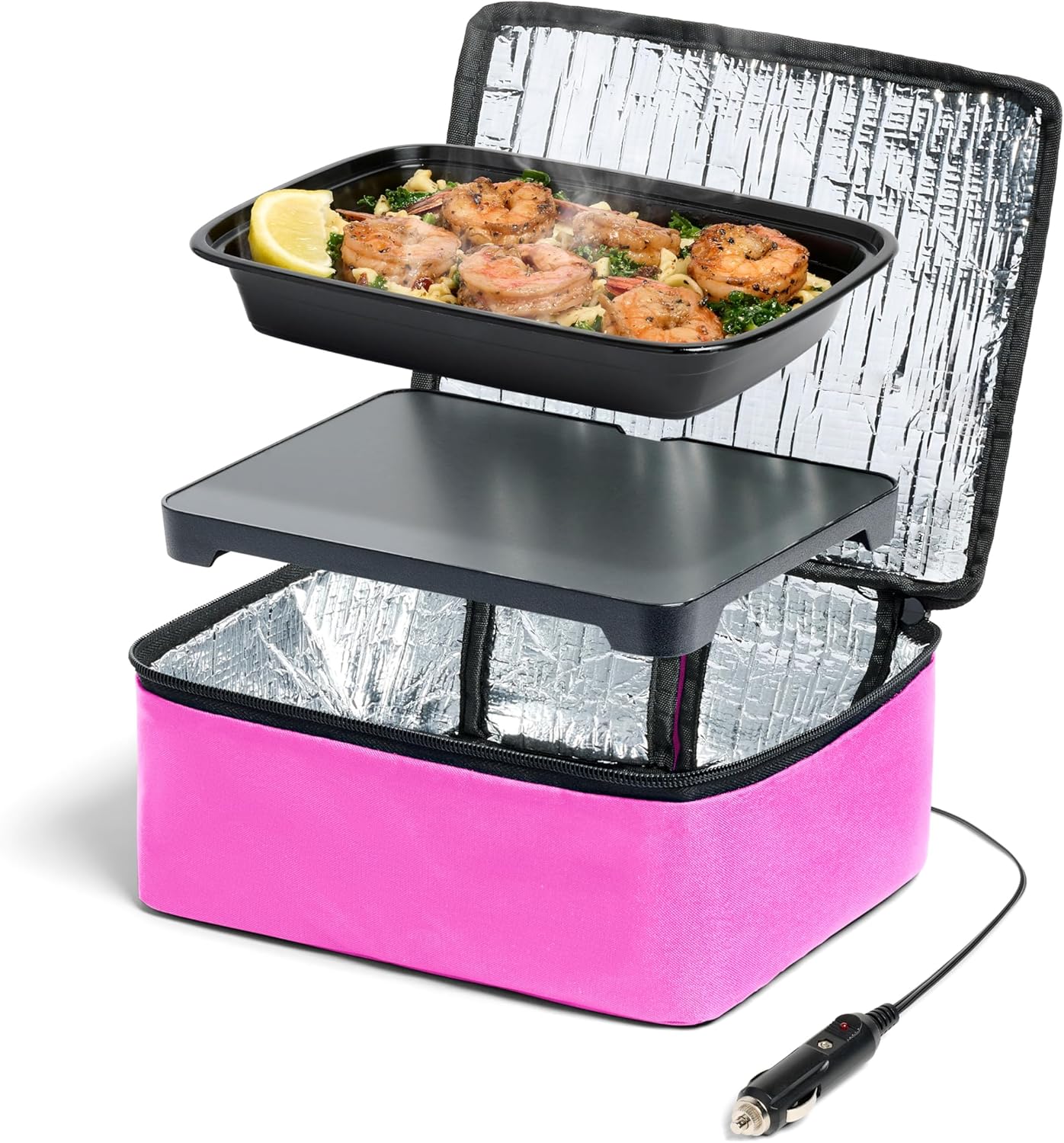
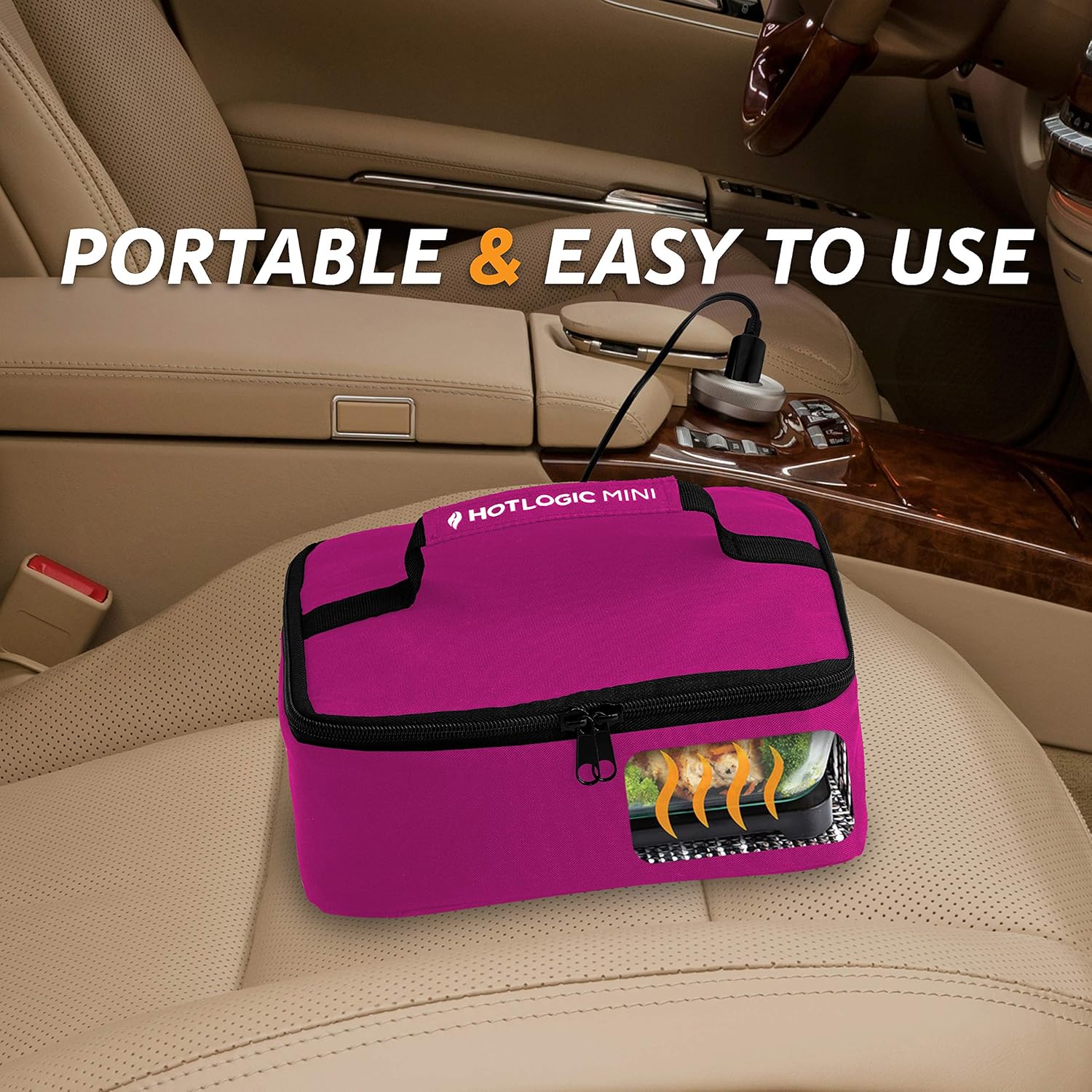
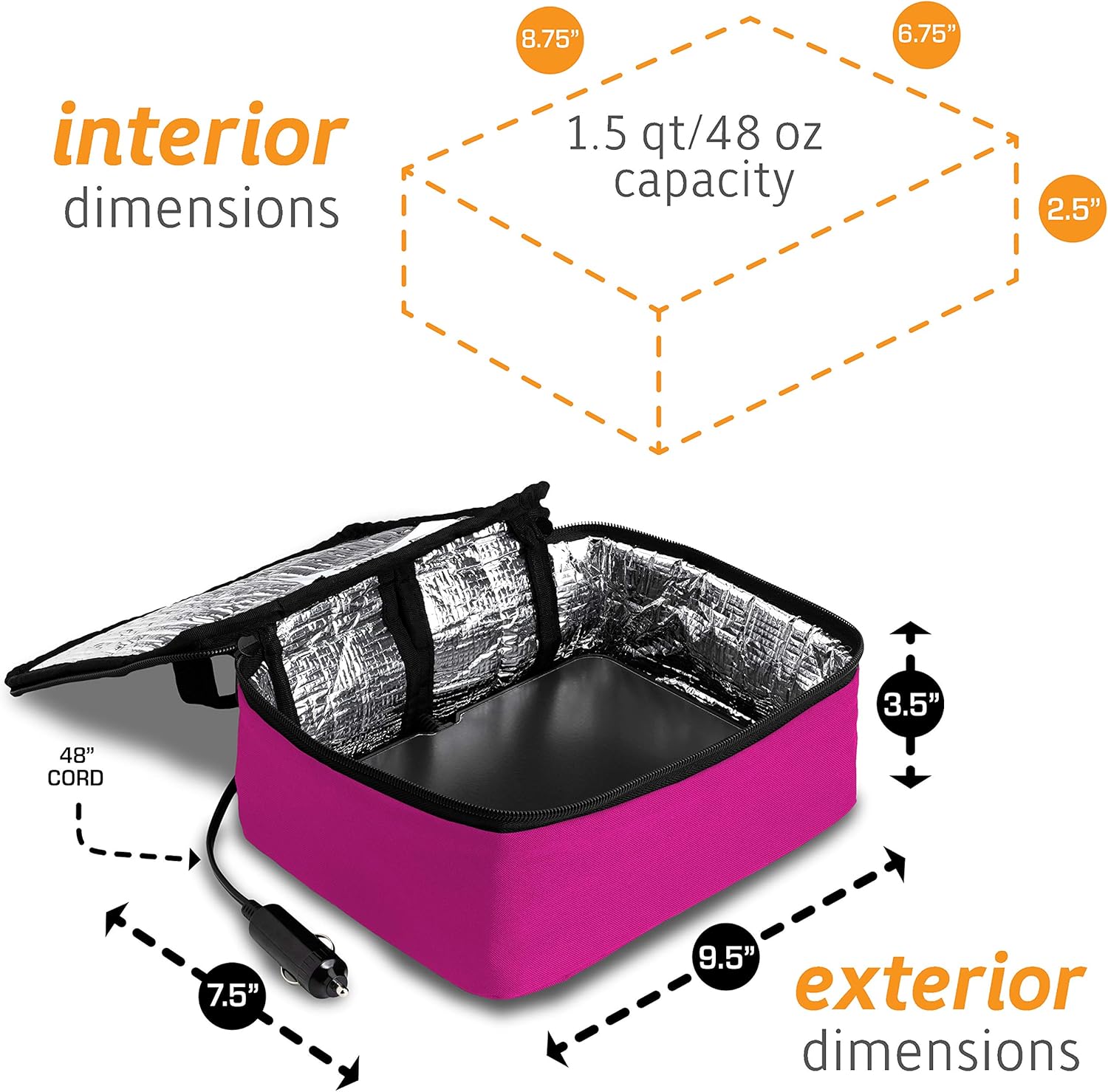
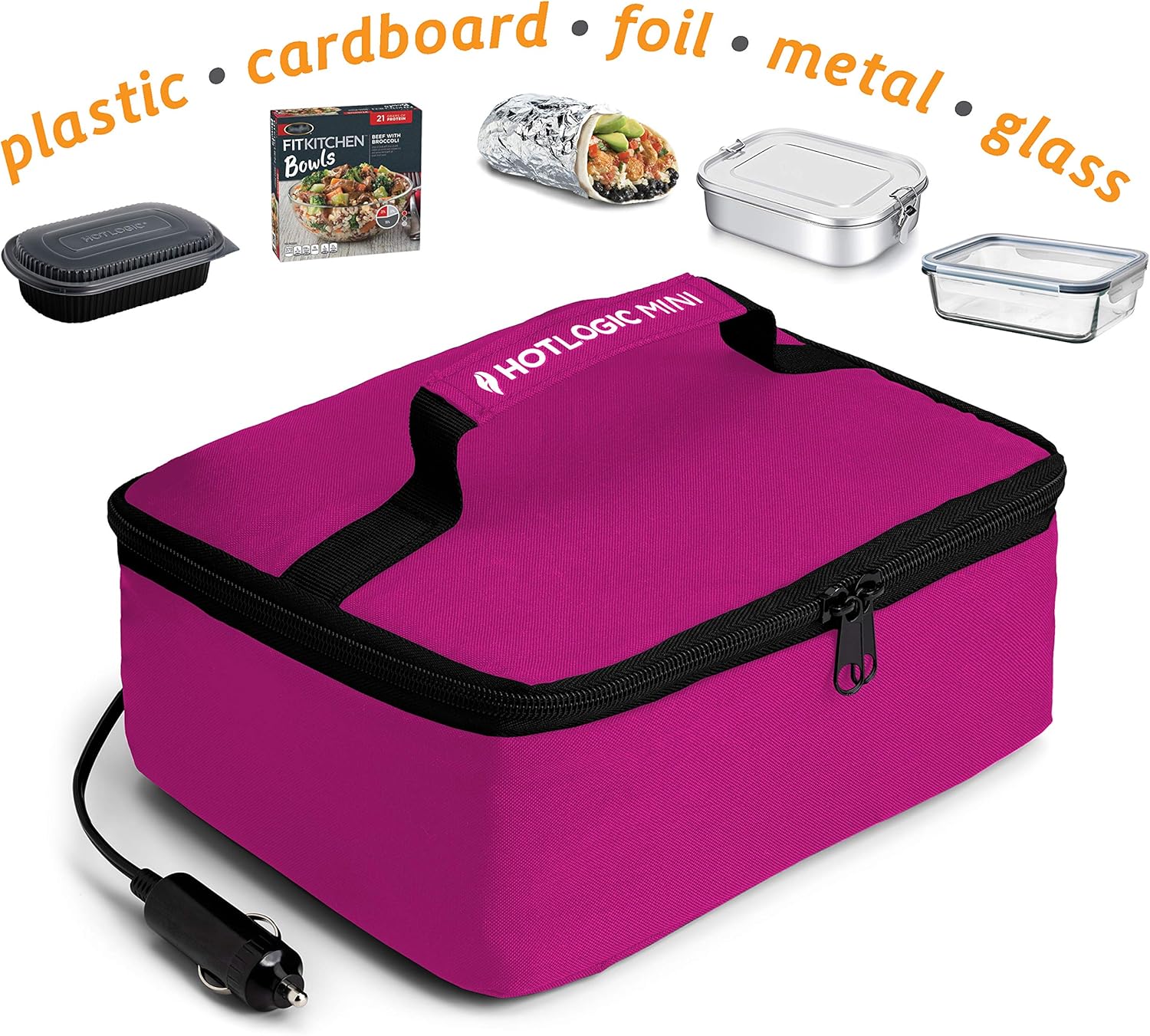
HOTLOGIC Mini Portable Electric Lunch Box Food Heater – Innovative Food Warmer and Heated Lunch Box for Adults Car/Home – Easily Cook, Reheat, and Keep Your Food Warm – Purple – 120V
$ 10.69
+ Free ShippingAfter 27 years, I’ve decided to try camping again. I have to gear up, but I’m not ready to spring for a stove. I’m not thrilled with the idea of buying and storing propane. The small tanks most camp stoves use are more than I’m willing to pay for or deal with. Will an electric lunchbox do the trick? I hope so…at least for a weekend excursion now and then.I have two Bluetti EB3A batteries. Each stores 268 watt hours when 100% charged. I have a solar panel, but what if it’s cloudy the entire weekend? So I’m trying to figure out if I can comfortably camp an entire weekend on two batteries if I don’t charge them. Yes, I could charge them with my car, but I’m there to hike…not drive so I don’t drain the car battery while charging the Bluettis.With that in mind, I did a rough test to see what I can do with this electric lunchbox. I thought I’d share my results so others have a general idea of whether this could work for them. Keep in mind that this is a really rough test, and there are so many variables that my results may not match yours if you did something similar.I had 1 cup of homemade stew in an Oxo Good Grips 1.6 cup glass storage container. The stew was about an inch deep and had thawed in the refrigerator overnight. It was fully thawed when I heated it in the lunchbox the next morning.During the test, the lunchbox consistently drew 43 watts from my battery. My battery holds 268 watt hours.At 25 minutes, it had used 11% of my battery, and the stew felt room temperature when I ate a bite.At 35 minutes, it had used 16% of my battery, and the stew felt warm when I ate a bite.At 45 minutes, it had used 20% of my battery, and the stew felt hot when I ate a bite. Not piping hot, have to blow on it hot. Just pleasantly hot. At this point I stopped, because I wouldn’t waste my battery making something so hot it had to cool before I could eat it.Note that the lunchbox instructions say that spreading more thinly in a larger container will heat faster, because more of the container will be in contact with the hot plate. My container only took up half the lunchbox.However, I bought a three cup Pyrex rectangular container that would cover the entire heat pad in the lunchbox. So I think if I transfer the stew to that for heating, it will use less battery power. I’m not going to bother with that test for now, as I prefer to leave myself a wide margin of error with my estimation on whether I can camp a full weekend with two batteries without charging. That said, I don’t think it will cut power consumption in half, because you have to figure that there is more glass to heat in a larger container. Maybe it will save me a third, however, which is worthwhile if you’re faced with a cloudy weekend and no solar charging, so you’re trying to conserve energy.If I really like this lunchbox for camping and I start going a lot, I think I’ll also look for a metal container. Heck, maybe I’ll even do that now. Metal cooking containers are thinner and conduct heat faster, so it should use a lot less energy than the glass containers. That might work better for my purposes.I think if I were driving around all day, though, and powering off of the car, a glass container would be my preference. I like glass for storage, so in that scenario, it would nice to store meal-sized portions in glass and then pop that into the lunchbox.I hope this helps someone! Happy camping. ��